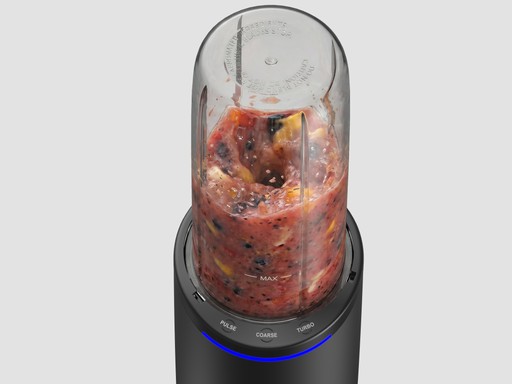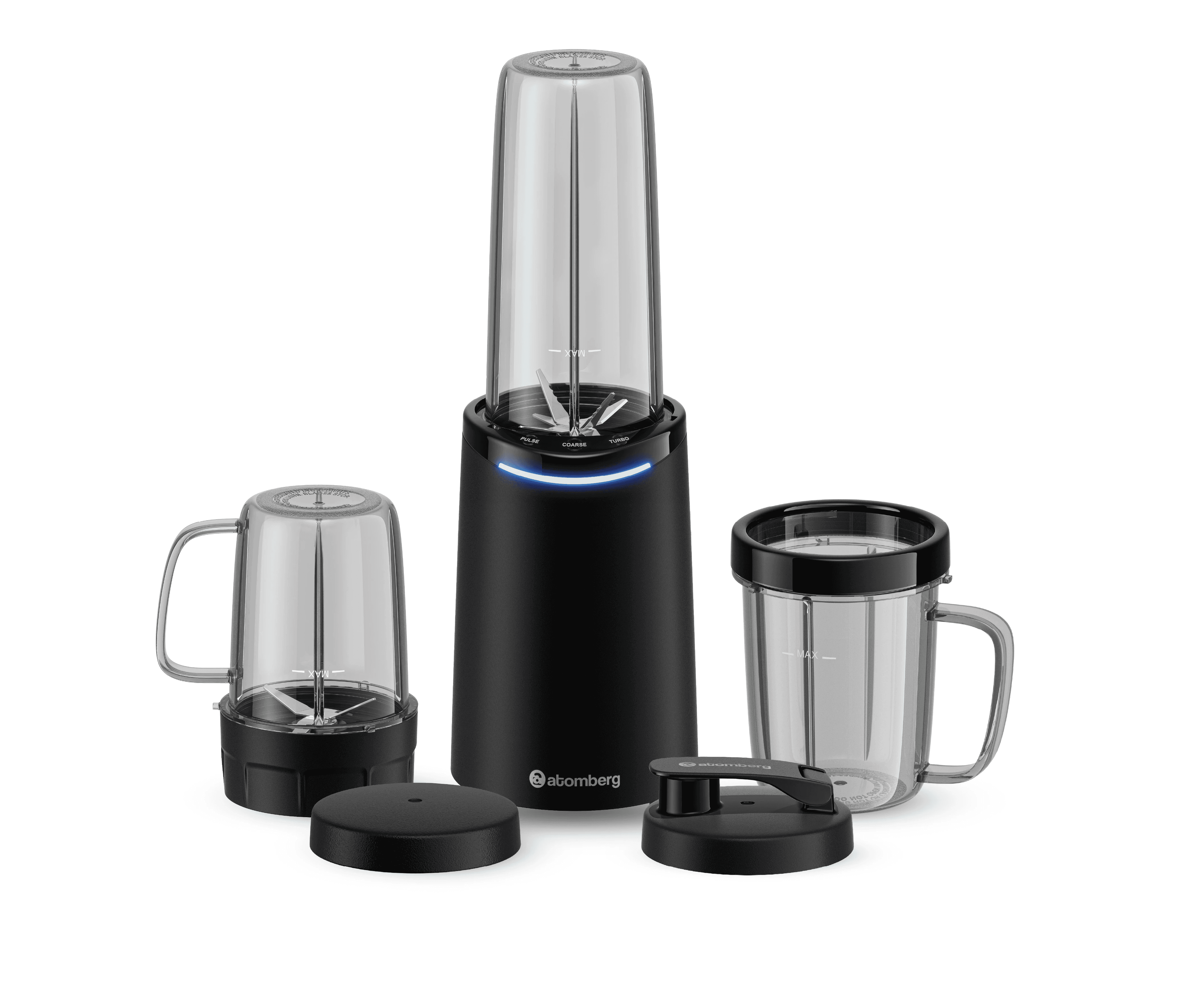
Nutri Blender
Project for Atomberg
//01
//02
//03
Project Description
My role
Product Details
Name: Zephyr Nutri Blender
Category: Kitchen Appliance
> Industrial Design
> Team co-ordination
> Part sign off
> 3 Blending Modes
> 3&4 Jars
> 3 modes
[2025]
industrial design
SKU: Midnight Black


// Design Process
Research

The research included desk research followed by competitor user study and then tear down of competitor benchmarks.
Visits for to understand consumer and retailer perspectives were carried out.
Brainstorming +
Ideations
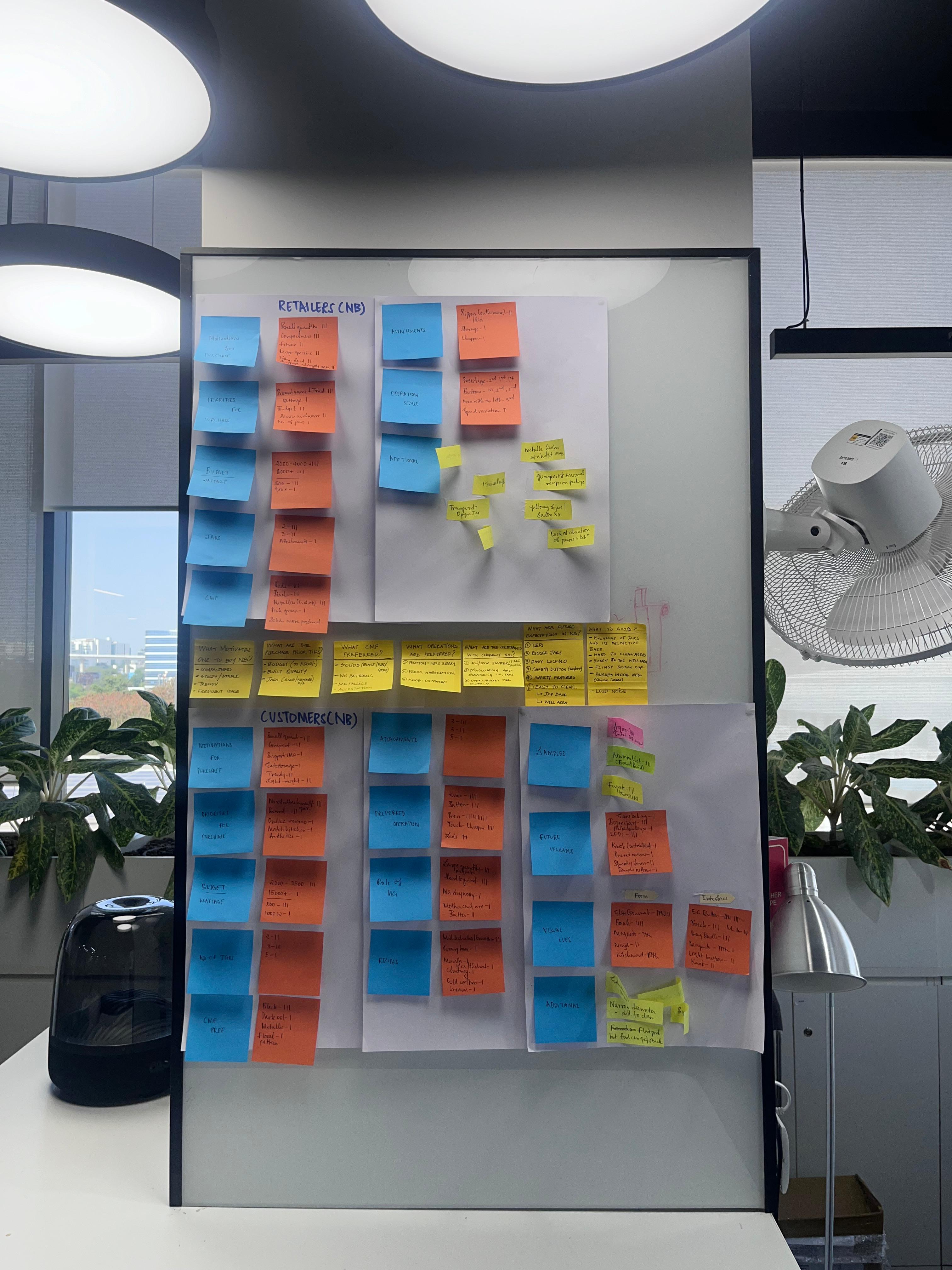
The conclusions and analysis of the research were discussed and brainstormed to set the brief and the design parameters. Post this the ideations began.
User Testing
Every ideations were 3d printed at different stages of the design and were scrutinized by the internal team members. Different options were scored and on the basis of that the design directions were further mapped.
Design Closure
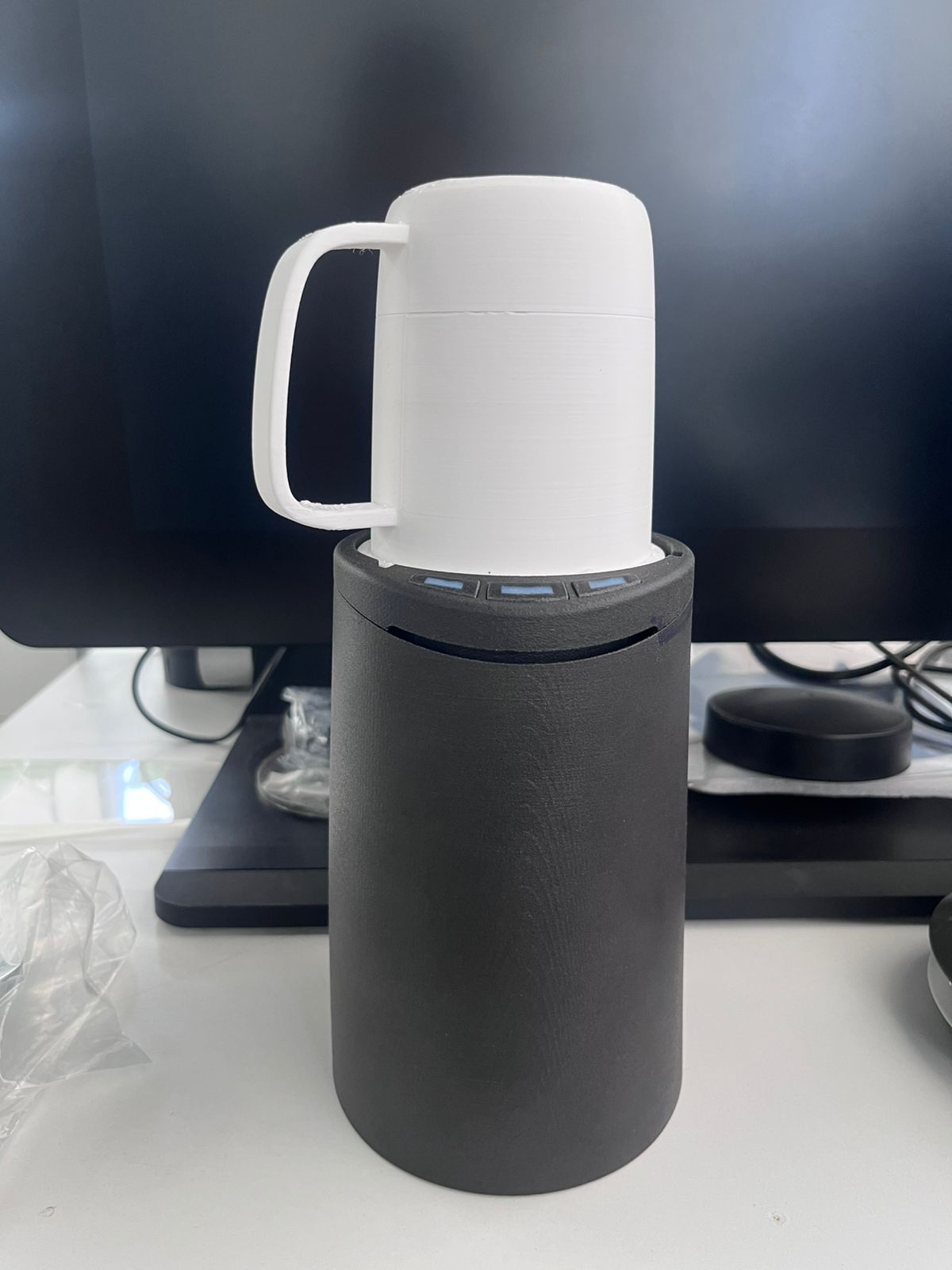
After multiple discussions with vendors, the design was finalized and tool go-ahead was given.
Part Evaluation

Parts were received at different stages such as T0, T1 and T2. All the aesthetic defects were marked on the parts and sent back for rectifications.
User Trial Built

User trial built helped to understand assembly line issues. Actions were taken accordingly for the best results.
User Trial Feedback

User trial was conducted which included almost 200 people from the organization. Their feedbacks were noted and rectifications of those were also made whenever possible.
Final Production
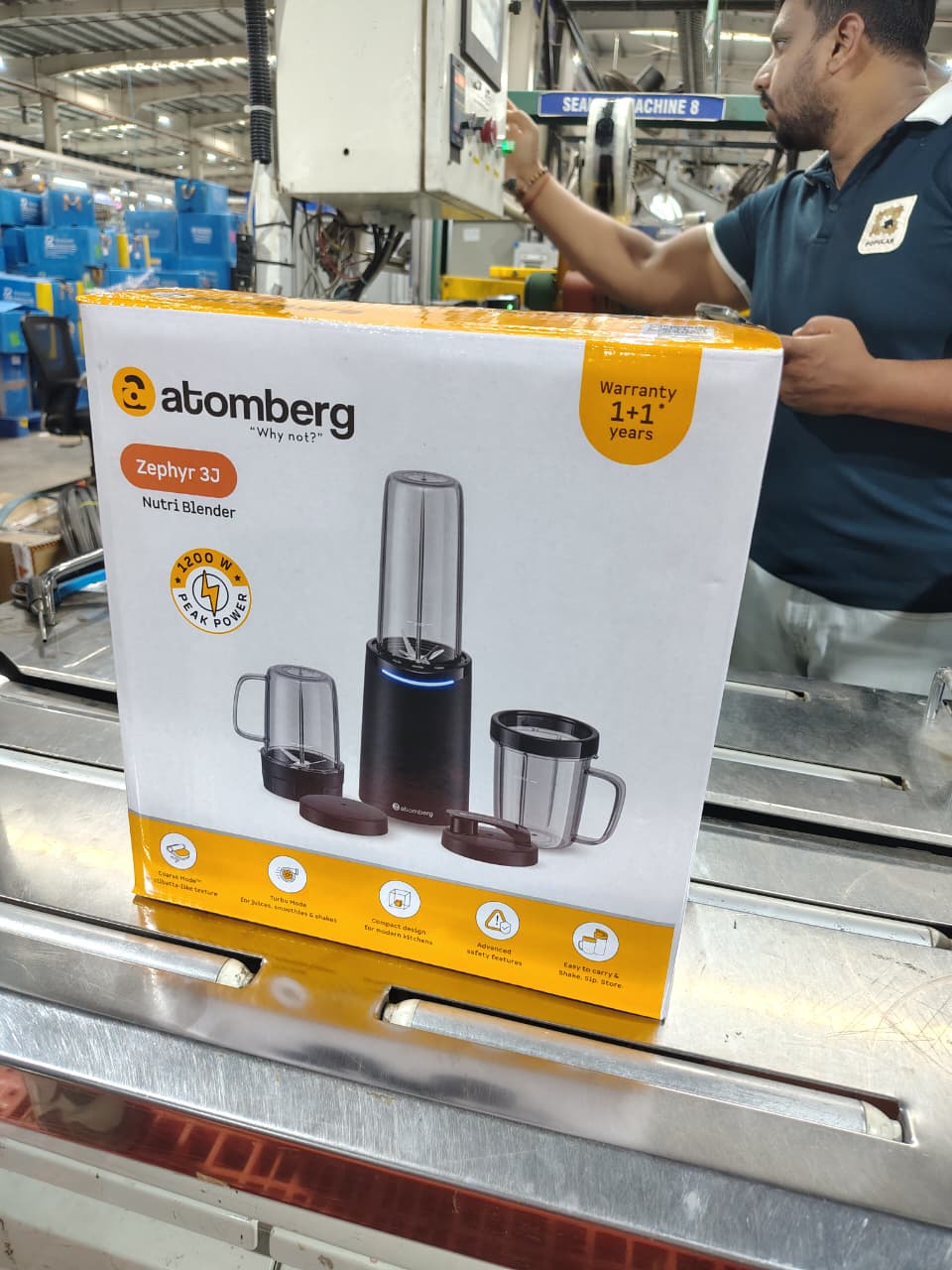
After all the possible corrections while considering the project timelines, final production of the blender was initiated.
// Research
Customer Visits

> Customer visits were conducted across different cities in India
> Users were directed to conduct few common tasks to observe their operation styles
> Research also included showing users visual cues, to understand their choices and design inclinations
Competitor Tear Down

> This activity helped understand assembly details, number of parts, etc
> Features such as thin aluminium casing around body or waterproof interface, were also noted
Market Visits

> This study helped understand the best sellers in the market and their reason
> Common buying criterias such as cost, colours, warranty and specs were also identified
> Upcoming trends such as touch interface replacing old knobs were also discussed
// Problem Identification(User Pain Points)
Difficulty in- On/Off + Jar locking/Unlocking
> Most of the blenders in the market had no on/off control on the device
> Pressing and rotation of jar to turn on blending was observed to be unintuitive for many users
Lack of Control Over Blending
> As many users looked at nutri blender as a replacement for a mixer grinder
> Users wanted speed controls to cater to different cooking needs
Motor Issues due to Over Usage
> Most common complaint that the store's sale person mentioned was the damage of the motor.
> When asked, users mentioned that they were unaware that continuous blending could damage the motor.
// Opportunity- Scope Of Intervension


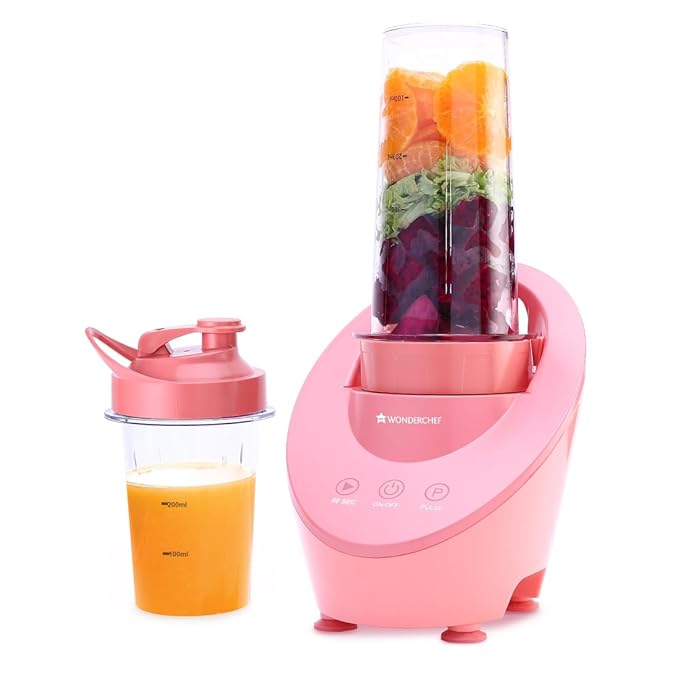


With Interface
Without Interface
Less Compact
More Compact
Compact Design with most intuitive interfcae
// Insights
A blender that allows the combination of multiple modes and a led interface
Both jars and jar base to be easy to clean
Big jar capacity to be sufficient for 2 people
Easy locking and unlocking of the jar for all
Compact blender design so that it takes least space on kitchen counters
Safety provision that stops the blender's motor from over heating
Operating controls to be in the sight of vision of the user while blending
Provide extra attachments such as plain/sipper lids
// Design Brief
To design one of the most compact nutri blender, that has :
> Atomberg's design language, that make it part of its kitchen appliance family
> 3 Different blending modes to cater to all the unique Indian cooking requirements
> LED bar interface to guide the user during blending, to amplify user experience
> 2 different volumes as well as easy to clean jar designs
// Mood Board


// Ideations + Mockups
//Prototyping + User Testing


//Final Part Sign Off
//User feedbacks + Problem solving
Text Misalignment +
Text Rubbing Off

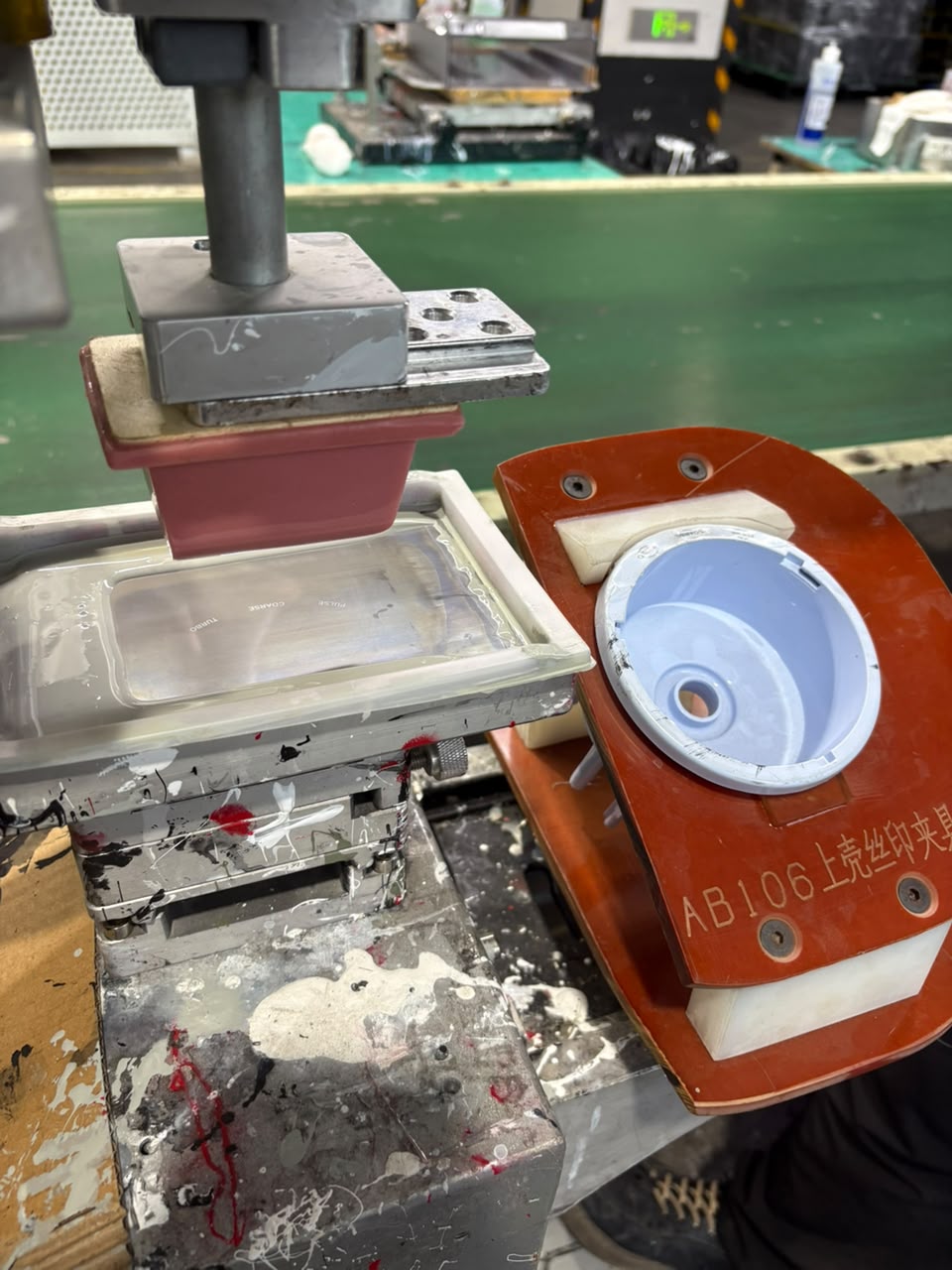
Stensil was created at
the vendor to make sure text
was within the tolerance as
desired.
Hardner proportion were
changed to make sure the
text ink durability and later validated with alcohol rub test.
Gate Mark on A-Surface
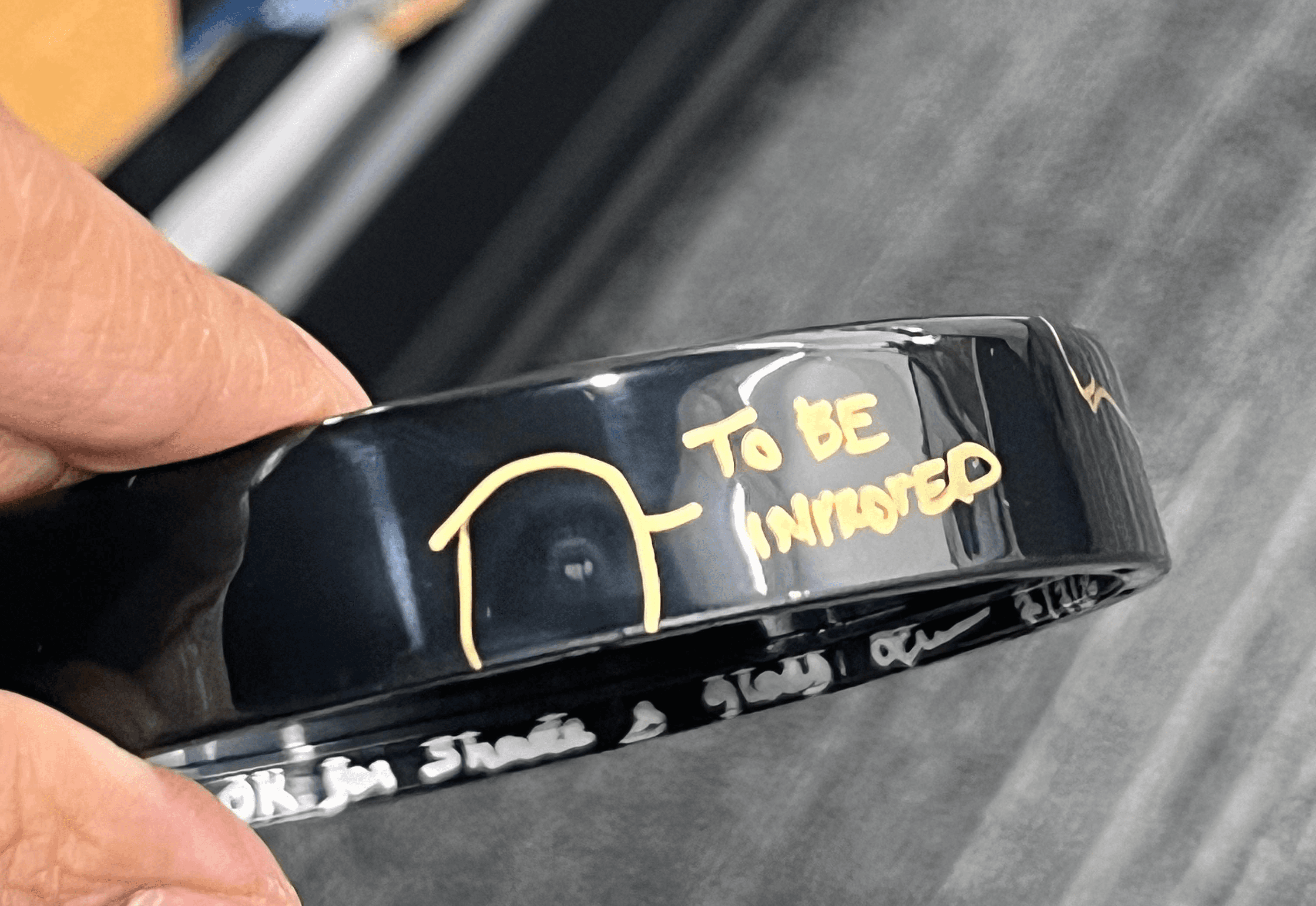

Gate point was moved to the
edge, where a notch was created to make sure no gate point projections outside the part boundaries.
Touch feedback lags
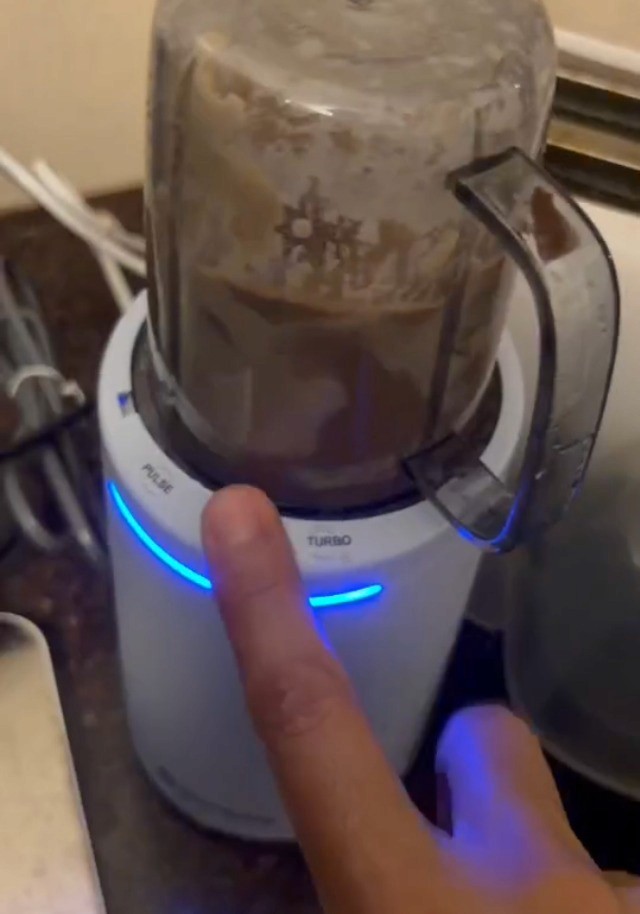
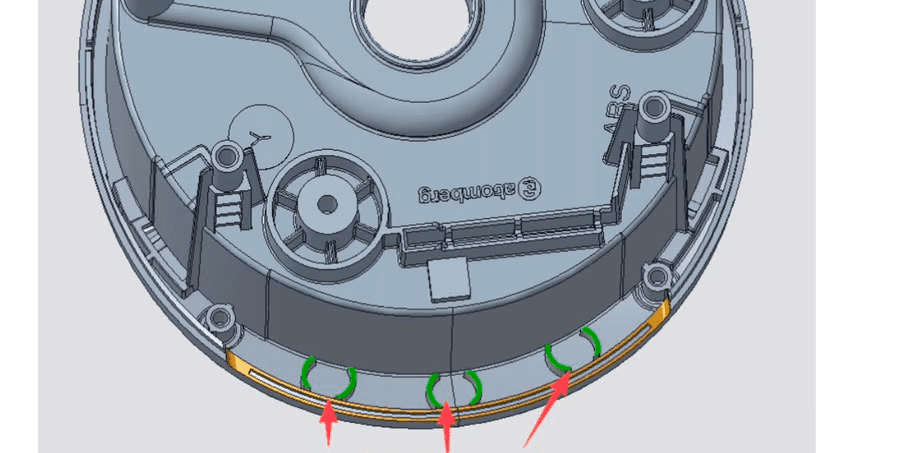
Wall projections were created to locate the spring at the exact desired location
Wire exposed


Sleeve addition was proposed to hide the coloured wires